
01development brief
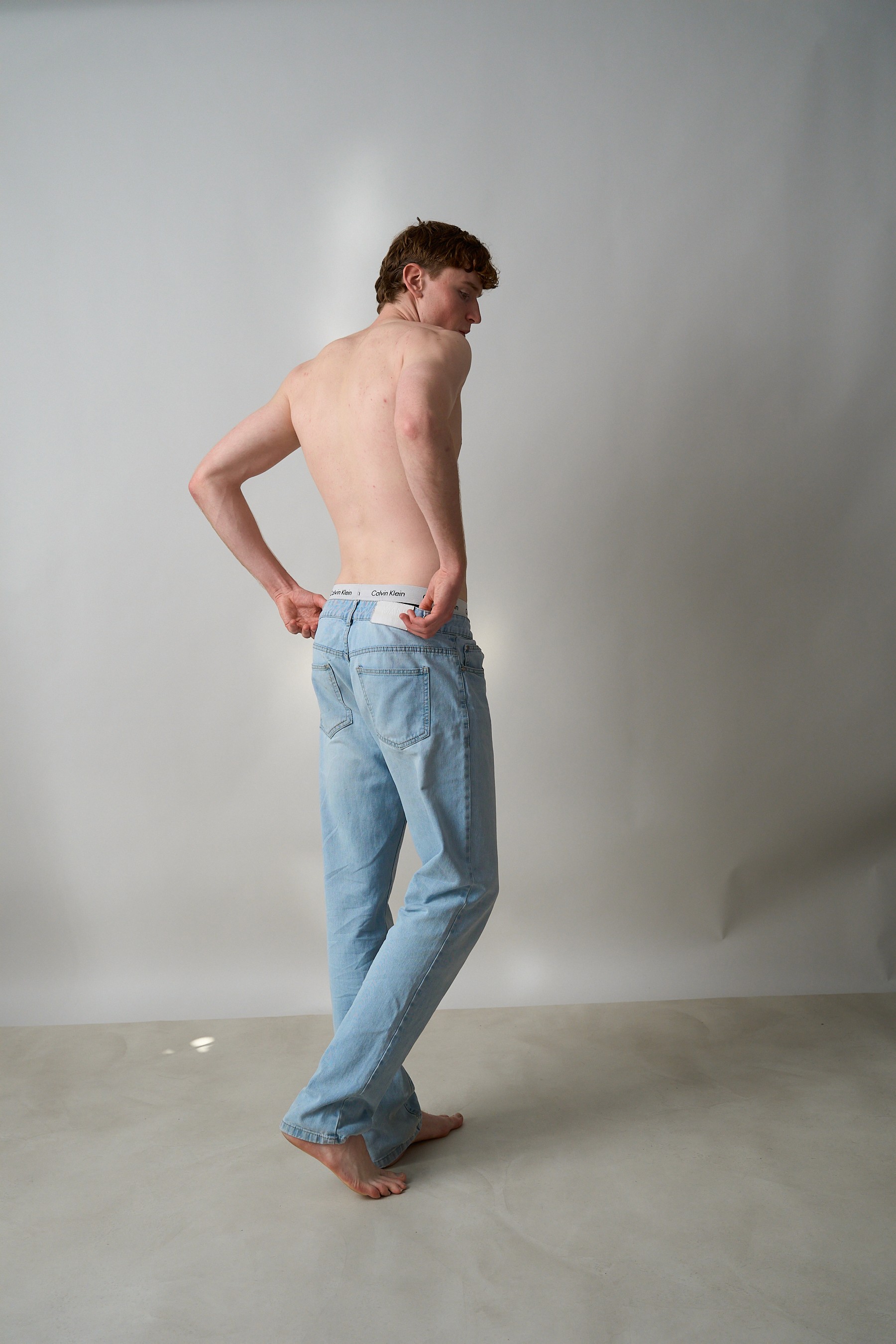
shoulder line
visual function
creates visible width and strengthens the relationship between the waist and upper body.
training emphasis
lateral and rear delt development, selected for repeatable tension and stable execution.
premium physique development
aesthetic physique development, organised as a system.
01 · the objective
general fitness asks whether you exercised. the FRAME Method asks whether the work improved the silhouette you are building.
the system gives deliberate priority to the areas that most influence proportion, then organises exercise selection, effort, volume, progression, nutrition and recovery around that objective.
not random workouts. not change for the sake of change. a programme with a visual objective and a reason behind every decision.
02 · physique architecture
FRAME uses a consistent aesthetic map, then adjusts the route to the structure, training history and response of the person in front of it.
visual function
creates visible width and strengthens the relationship between the waist and upper body.
training emphasis
lateral and rear delt development, selected for repeatable tension and stable execution.
03 · the operating system
the principles remain stable. the dose and application change as the evidence changes.
choose movements that expose the target tissue to useful work.
stability, range, resistance profile, comfort and repeatability matter more than novelty. an exercise earns its place when it can be executed consistently and progressed with confidence.
apply enough hard work to create adaptation, without mistaking exhaustion for quality.
working sets are taken close enough to failure to be productive. volume is added only when the member can recover from it and the target area still needs more stimulus.
make improvement observable before making the programme more complicated.
repetitions, load, execution, range and control are recorded. progression is evidence that the work remains productive, not permission to sacrifice the movement for a heavier number.
protect the conditions that allow the previous session to become a result.
sleep, fatigue, soreness, appetite and performance are read together. recovery is not time away from the method. it is one of the variables the method manages.
04 · decision logic
one signal is rarely enough. performance, execution, recovery, measurements and the visual trend are read together before the next decision is made.
keep the course. productive work does not need novelty.
inspect exercise fit, effort and stimulus before adding complexity.
change the setup or selection before simply adding more sets.
reduce the cost of the programme before asking for more work.
review nutrition, recovery and priority allocation as one connected system.
05 · nutrition and recovery
bodyweight trend and intake are aligned with the current objective, then adjusted from the response rather than emotion.
protein supports adaptation. carbohydrate and total intake support the quality of training and the pace of development.
sleep, stress and fatigue influence how much productive training can be performed and repeated.
the most intelligent strategy must still fit the life required to carry it out consistently.
06 · membership standard
a FRAME athlete is not defined by competition. it describes the standard applied to the work.
07 · evidence notes
FRAME does not use a study as decoration or turn population averages into rigid instructions. evidence sets the boundary. the member's response guides the decision inside it.
proximity to failure matters, but failure on every set is not the method.
read the evidence 02more work can help, but only while it remains recoverable and productive.
read the evidence 03exercise range and the position in which a muscle is loaded influence the result.
read the evidence 04protein supports adaptation, while total intake must serve the direction of the physique.
read the evidencetechnical document · 02
for coaches and experienced trainees who want the deeper model behind diagnostic hierarchy, stimulus allocation, progression rules and programme revision.
open the advanced document08 · enter the system
every FRAME member receives a programme built inside this system, reviewed by Jesse and revised as performance, recovery and the physique develop.
view coaching options